London’s wrap scene has matured into its own ecosystem. Printers run late into the night to meet fleet deadlines, installers compare notes on anchor points for the latest EV body lines, and clients show up better educated than they were even two years ago. The market is broader than a handful of colour changes. It spans discrete chrome deletes, fully printed campaigns on buses, textured accents for performance SUVs, and paint protection film with pigments that push into traditional wrap territory. If you are weighing car wrapping London Ontario for a personal build or planning a rollout for twenty vans, 2026 brings meaningful shifts in materials, workflow, and expectations.
A quick snapshot of what is shaping 2026
- Cleaner chemistry moves mainstream with PVC free and low solvent films, plus laminates that hold clarity longer in Ontario winters. Colour protected PPF blurs the line between wraps and clear bra, offering satin or tinted looks with rock chip resistance. High fidelity print platforms and denser metallic pigments raise the ceiling on finish realism, from brushed metal to forged carbon. Smarter planning tools, from 3D scans to templating with verified panel stretch, cut downtime and rework on complex vehicles. Partial wraps and fleet micro branding surge as businesses chase faster deployment, repeatability, and better ROI tracking.
Weather, roads, and what that means for wrap choices
Local context matters. London sees long freeze thaw cycles, road salt six months of the year, and highway chatter on the 401 that peppers lower panels with debris. That shapes how a good shop will spec your build. For a daily driven car in the city, a premium cast film with a matching laminate and edge sealing on forward facing seams will typically last four to seven years. If most of your mileage is highway, the installer may suggest a hybrid approach, such as colour change vinyl on the body and clear PPF on the front clip and rocker zones. The extra up front cost saves panels from sandblasting, which is the number one wrap killer on commuter cars here.
The winter piece is not just durability, it is maintenance. Salt is abrasive when it dries, and brine wicks under edges if they were not prepped and sealed correctly. Shops that work a lot in car wraps London Ontario will tell you to rinse more often in winter and to treat edges with a wrap safe sealant once or twice a season. It is a small habit that extends lifespan in this climate.
Sustainability is not a buzzword anymore
The green shift finally shows up in materials you can buy and trust. Several major manufacturers have PVC free cast films with tact and conformability that used to be reserved for PVC based products. Paired with plasticizer free laminates, these systems off gas less during install and resist the yellowing that used to show up on whites and clears after two hard summers. On the print side, more shops in graphics London Ontario are moving to water based latex or UV gel inks that cure cooler and maintain colour stability without heavy solvents. It is not magic. You still need proper surface prep and edge work, but the baseline is cleaner and the output looks crisper for longer.
Expect to see sustainability language not just in supplier brochures but in client RFPs, especially from local institutions and larger fleets. When a university department or healthcare group puts out a tender for vehicle graphics London, environmental data points now appear in the scoring matrix along with warranty terms and response time. If you run a shop, prepare your datasheets. If you are the buyer, ask to see third party certifications and sample panels aged in UV chambers, not just marketing claims.
Colour protected PPF eats into traditional wrap jobs
Two years ago, coloured PPF felt niche. In 2026, it sits on the menu next to vinyl, not as an upsell but as a first choice for certain use cases. The appeal is straightforward. You get the self healing top coat and impact resistance of PPF, with a satin or lightly tinted look that reads like a high end paint finish. Manufacturers now offer a range of smoke tints, soft metallics, and frosts that install cleaner on complex bumpers than early versions. On tactile feel and depth, these films rival a well laid satin vinyl. On durability, they win.
There are trade offs. Coloured PPF costs more per square foot and installs slower. It also carries a different edge profile that an experienced eye can spot on close inspection, especially on inner returns. For that reason, some clients choose a split build. PPF up front and on rockers for protection, vinyl on the doors and quarters for colour. This hybrid has become a staple for car wrap London Ontario shops with mixed use clients who commute, road trip, and show on weekends.
Texture and depth get more believable
Textured films used to look good from ten feet. Up close, the pattern repeated too often or the flake sat unnaturally. The 2026 crop solves a lot of that. Forged carbon patterns show less tiling, brushed metals carry directional grain that aligns properly across panels when mapped, and metallic flake ranges from subtle to high impact without the glittery haze that cheapened older films. Pair that with satin 2.0 finishes that feel closer to OEM matte paint and you have wraps that photograph beautifully and stand up to a later resale without scaring buyers.
The realism comes from two places. First, denser, more varied pigments that hold tone through stretch. Second, laminates engineered for lower orange peel. A London based shop that wraps a dozen performance SUVs a quarter will often stock test hoods with six or seven combinations of base film and laminate. They will point a customer at those panels under direct sun, in shade, and under shop LEDs because finish changes with light. If you are chasing a very specific look, ask to see it that way. Phone photos do not tell the truth.
Print tech and design workflows step up
Printed wraps are evolving on three fronts. Color gamut, surface fidelity, and file handling. Newer latex and UV gel printers run cooler, which keeps vinyl more dimensionally stable during cure. That means less shrink back later and crisper micro detail in complex prints. Advances in RIP software allow accurate spot color reproduction for brand palettes and faster panel nesting to reduce waste. And coatings have improved. Laminates formulated for Ontario winters keep clarity longer, so black stays black instead of drifting to brown after two summers.
Design wise, shops now build with real vehicle scans or verified templates instead of best guess outlines. On a recent fleet project for an HVAC company in the east end, a team scanned the latest Transit body with mirrors and sensors included. The engineer then mapped panel stretch, so the phone number landed exactly above the handle on every van, not 6 millimetres off on the left door of units with the high roof. When the dispatcher started tracking calls by vehicle identifier, lead attribution jumped. That is the sort of boring operational win that makes printed vehicle graphics London a reliable line item rather than a roll of the dice.
Shorter, smarter branding for fleets
Big, loud wraps have their place, but more London operators are choosing partial wraps that focus on door and rear quarter zones with high contrast branding. The reasons are practical. They go on faster, cost less, and can be updated or repaired in sections after minor scrapes. In the trades, where vans and pickups see door dings and ladder scuffs, a partial makes financial sense. For restaurants and retail, rapid seasonal swaps keep the message fresh without parking vehicles for days.
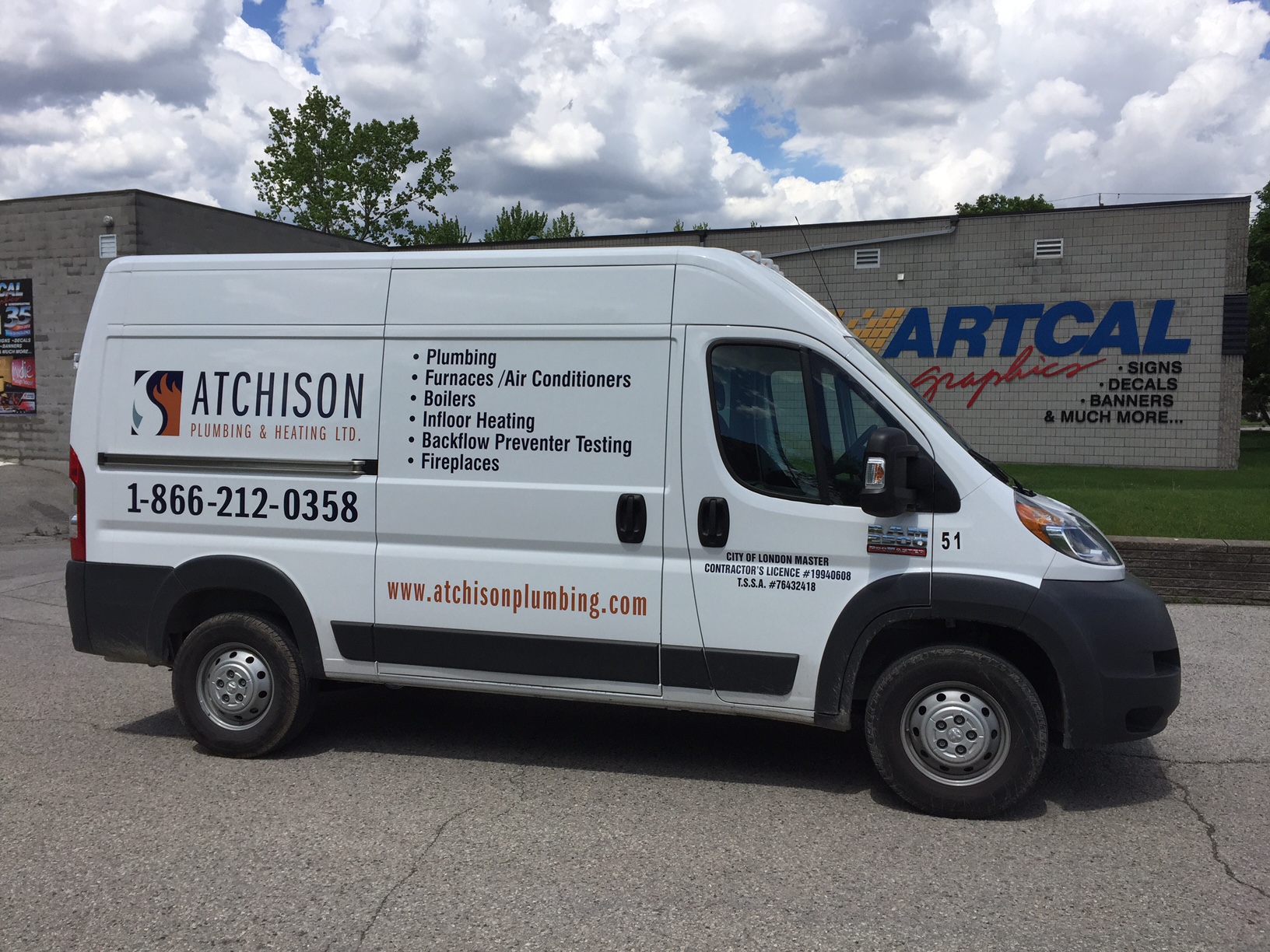
We also see micro branding for small fleets. Think roof numbers for drone or aerial ID when parking downtown, reflective chevrons on the lower rear for night visibility in winter fog, and QR codes that actually resolve and track. When a London café wrapped three delivery cars last fall, their designer printed A B test QR codes to different landing pages and switched creative every six weeks. The car with the high contrast rear quarter placement outperformed the door version by a wide margin. That small learning cut their customer acquisition cost over the winter run.
EVs change installation strategy
Electric vehicles complicate and streamline wraps at the same time. There are fewer grilles and exhaust cutouts, but more sensors and trim that you should not block. Door handles sit flush, charge ports break up rear quarter lines, and some panels run hotter during fast charging. All of this shapes film choice, adhesive systems, and post heat targets.
An experienced installer in car wrapping London Ontario will ask about your charging habits. If you fast charge frequently, they may avoid dark chrome vinyl on panels that sit near the battery cooling paths, or they will spec a film with a high temp rated adhesive. On sensor zones, a smart shop leaves millimetre clean margins or chooses films with known transparency to radar for areas behind bumper covers. It is not just about the look. It is about keeping driver aids untouched and error free.
Precision prep and post heat matter more than the brand on the box
People obsess over film brands, but most premature failures trace back to prep, technique, and the wrong tool in a tight pocket. The best shops build a consistent routine. Degrease with a wax and silicone remover, wipe with isopropyl alcohol at the right dilution, and prime edges only where needed to avoid telegraphing. They pull badges carefully to reduce stretch at tight radii and they measure post heat with an IR thermometer, not a guess by feel. In our climate, most cast films need a post heat in the 90 to 105 Celsius range on deep recesses. Miss that and edges creep when the first freeze hits.
Anecdotally, the most avoidable failures I have seen happen on mirror caps and the inner lips of wheel arches. Both areas look simple. Both concentrate stress. On a black SUV that came in from out of town last January, the mirrors had one piece wraps without relief cuts and no post heat. When the night dipped to minus 20, both caps lifted at the same corner. A two piece with a discreet seam on the underside and proper heat solved it. You do not need a hero pull everywhere. You need the right seam in the right place.
Pricing, timelines, and what buyers in London can expect
Pricing ranges, not promises, set healthy expectations. In 2026, a solid colour change on a typical sedan with a premium cast film and matching laminate lands somewhere between 3,000 and 5,000 CAD in London, depending on door jamb coverage and badge work. A full size SUV might run 4,500 to 7,500 CAD. Printed commercial wraps usually price by square footage and design complexity, but a common work van partial with doors and rear quarters often falls between 1,200 and 2,500 CAD, plus design time. Coloured PPF sits https://pastelink.net/k1ta55u5 above those numbers. A full front PPF package with tint or satin typically starts in the 1,800 to 3,000 CAD range, and full body coloured PPF can exceed 7,500 CAD quickly.
Turnaround depends on season and scope. Spring brings fleet demand, and lead times stretch. A one off colour change can be scheduled inside two to three weeks in slower months, with the car in the bay for two to four days. A ten vehicle fleet rollout needs calendar planning and staging to keep vans in service. The best shops will phase the work, two or three at a time, and coordinate decal numbering so your dispatch software matches what goes on the vans.
Regulations and practical constraints
Wraps are generally permitted across Ontario, but details matter. Reflective materials on moving vehicles have rules. Full chrome mirror finishes can distract and are discouraged. Headlight and taillight tint films can reduce light output and may run afoul of provincial safety standards. Some municipalities regulate the size and placement of commercial signage on vehicles when parked on streets overnight. It is smart to check London’s sign bylaw language if your fleet takes home vehicles. Responsible shops will flag these issues and steer you to a compliant choice. If they shrug, find another vendor.
Care, repairs, and resale
A good wrap is not fragile, but it does respond to how you treat it. Hand wash with a pH balanced soap or use touchless bays. Avoid stiff brushes, especially at edges. Wipe bird droppings sooner than you would on paint, and in winter, rinse often to keep salt from sitting. Ceramic coatings formulated for vinyl have matured. They add slickness and make cleaning easier without trapping plasticizers. Ask your installer which products they stand behind and whether a coating affects your film warranty.
Repairs are straightforward if your shop logs batch numbers. On printed wraps, they should keep your files and colour profiles so a replacement panel matches fade as closely as possible. On solid colours, keep a sample swatch in the glove box. Films batch to batch can drift, and having an original reference speeds the match. At resale, most buyers appreciate a documented wrap with photos of the paint before install. It signals care. If the wrap is older than four years, consider a professional removal and paint inspection before listing. You will recoup the cost with a cleaner sale.
Choosing the right partner in car wraps London Ontario
You are buying a process as much as a product. A clean, climate controlled space, a measured prep routine, and installers who are comfortable saying no to a bad idea will deliver a better result than a shop that leans on brand names and short timelines. Ask for vehicles you can see in person. Ask how they handle deep recesses on your model. Listen for details about post heat, primers, and edge sealing. If you bring a fleet, ask about templating and panel maps, not just price.
Here is a fast checklist you can use on your first call or visit:
- Do they photograph paint defects before install and log them on your work order for transparency. Can they show you aged samples of the exact film and laminate combo under sun and shade. Will they specify post heat targets and where they do or do not use primers on your vehicle. For printed work, can they match your Pantone spot colours and show samples from their own printer, not a supplier book. How do they stage fleet work so your vehicles are off the road for the least time.
Good answers sound specific, not rehearsed. The person should talk about your car or van, not just wraps in the abstract. If they ask about your route mix, wash habits, parking situation, and how long you plan to keep the vehicle, they are thinking about a solution that fits, not just a sale.
The rise of subtle styling packages
Not every car needs a full wrap. In 2026, London sees more tasteful, low effort styling packages that update a car without overwriting it. Roof wraps on light coloured cars create a factory two tone effect. Chrome delete kits clean up window trims and grilles on SUVs. Accent stripes nod to heritage models without drifting into cosplay. These touches keep costs low, play well with leases, and are easy to reverse.
A neat side effect is maintenance. A gloss black roof collects swirls in full sun. Choose a satin or textured finish and the car looks better, longer. On chrome deletes, a high tack, thin film that lays tight to the trim reads like paint instead of tape. The difference is in the corner work. Look closely at the B pillar caps and mirror triangles. If you see lifting or felt edges, keep walking.
What buyers ask most, answered plainly
How long will it last. Four to seven years for a premium cast colour change if you wash and protect it, shorter if you ignore salt and brushes. Printed wraps on fleets that live outside and run all day may come down sooner, not for failure but for creative refresh.
Will it hurt the paint. A properly installed and removed wrap protects OEM paint. Repaints are riskier because adhesion varies. If you have a respray, tell your shop. They may recommend a test area or pass on the job.
Can we wrap the door jambs. Yes, with time and budget. Jamb wraps add labour, complexity, and later removal cost. Decide how much you care about the illusion. Many clients choose visible edges only to balance looks and cost.
How much downtime. Two to four days for a full colour change on a car, faster for partials, longer for coloured PPF or heavy disassembly. Fleets get staged.
What about winter. Rinse salt, avoid scraping ice at edges with blades, and consider a vinyl safe ceramic for easier cleaning. Expect the film to feel stiffer in cold. That is normal.
Why vehicle graphics work here
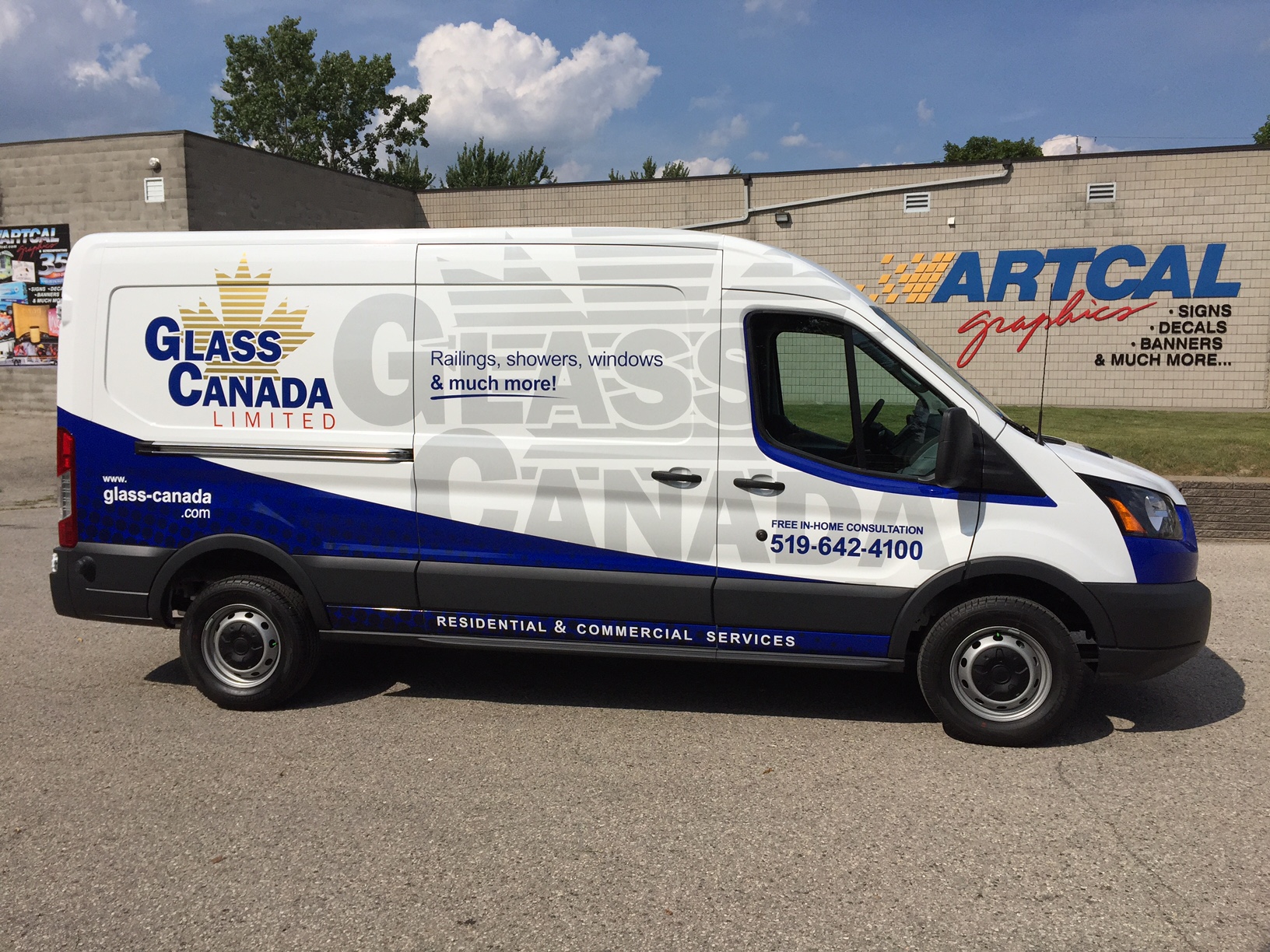
London is a right sized city for mobile advertising. You have enough traffic to get impressions, enough neighbourhood streets to park near your audience, and a business base that still responds to a phone number on a van. For service businesses, a visible fleet reads as stability. I have watched small contractors pick up extra calls after adding clear, bold door graphics that say what they do in five words. There is a reason vehicle graphics London shows up as a line in so many local marketing plans. It is measurable when you set it up right and reliable over seasons.
If you want numbers you can count on, track with unique URLs or phone extensions per vehicle type. Rotate creative on a subset and compare inquiry rates month to month. The data does not have to be perfect. It only has to be consistent enough to guide your next iteration. That habit makes wraps an operating tool, not a one off expense.
The edge for 2026
The standout trend is not a single product. It is maturity. Materials are better, yes, but the bigger leap is process. Shops blend design, production, and install with fewer handoffs and more accountability. Clients ask sharper questions. Film makers offer systems that pair film and laminate for predictable results rather than grab bag combinations. Hybrid builds, cleaner chemistries, and smarter planning are the norm, not the novelty.
For anyone searching car wrap London Ontario or comparing quotes for a spring fleet, the advice is simple. Judge the work you can touch, the answers you hear, and the plan you are given. If it accounts for our winters, your use case, and your budget, you will end up with a wrap that turns heads in June and still looks tight in February. That is the London standard worth aiming for.
Artcal Graphics & Printing — Business Info (NAP)
Name: Artcal Graphics & PrintingAddress: 779 Industrial Rd, London, ON N5V 3N5
Phone: +1519-453-6010
Website: https://www.artcal.com/
Hours:
Monday: 8:00 AM – 4:30 PM
Tuesday: 8:00 AM – 4:30 PM
Wednesday: 8:00 AM – 4:30 PM
Thursday: 8:00 AM – 4:30 PM
Friday: 8:00 AM – 4:30 PM
Saturday: Closed
Sunday: Closed
Open-location code (Plus Code): 2RGM+3R London, Ontario
Map/listing URL: https://www.google.com/maps/place/Artcal+Graphics+%26+Printing+Inc/@43.025226,-81.1680305,17z/data=!3m1!4b1!4m6!3m5!1s0x882eed2ae63a528d:0xc7068af2d391a354!8m2!3d43.025226!4d-81.1654556!16s%2Fg%2F1vm7c2pl?entry=ttu&g_ep=EgoyMDI2MDYwMS4wIKXMDSoASAFQAw%3D%3D
Embed iframe:
Socials (canonical https URLs):
Facebook: https://www.facebook.com/ArtcalGraphics
LinkedIn: https://www.linkedin.com/company/artcal-graphics-&-screenprinting-inc./
Instagram: https://www.instagram.com/artcalgraphics/
https://www.artcal.com/
Artcal Graphics & Printing provides signage and graphic design services for businesses and organizations in London, Ontario and surrounding areas.
If you need custom signs, printed graphics, or design support for marketing materials, the team can help you plan the right format and finish for your project.
Common requests include business signage, interior and exterior graphics, vehicle or window graphics, and printed items used for promotions and day-to-day operations.
Artcal Graphics & Printing serves London and nearby communities throughout Southwestern Ontario.
Hours listed are Monday–Friday 8:00 AM–4:30 PM, with Saturday and Sunday closed.
For directions and listing details, use the map listing: https://maps.app.goo.gl/A2EZfwDigfcN14zA8
To request pricing or share artwork details, call +1-519-453-6010 or use the contact options on https://www.artcal.com/.
Popular Questions About Artcal Graphics & Printing
What types of signage can a sign shop produce?Many sign shops handle items like storefront signs, window graphics, decals, banners, and other custom displays (options depend on materials and project needs).
Do I need a print-ready file to place an order?
Not always—some shops can help with design or preparing artwork, but it’s best to confirm file formats, sizing, and resolution requirements before production.
How long does a signage or print project take?
Turnaround varies based on the product type, quantity, and production schedule. Sharing your deadline early helps confirm timing.
What are the hours for Artcal Graphics & Printing?
Hours listed: Monday–Friday 8:00 AM–4:30 PM; Saturday closed; Sunday closed.
How can I contact Artcal Graphics & Printing?
Phone: +1-519-453-6010
Website: https://www.artcal.com/
Map: https://maps.app.goo.gl/A2EZfwDigfcN14zA8
Landmarks Near London, ON
1) Victoria Park2) Covent Garden Market
3) Budweiser Gardens
4) Western University
5) Fanshawe College
6) Springbank Park